Switch to Mercedes-Benz and Unlock Exclusive Conquest Savings
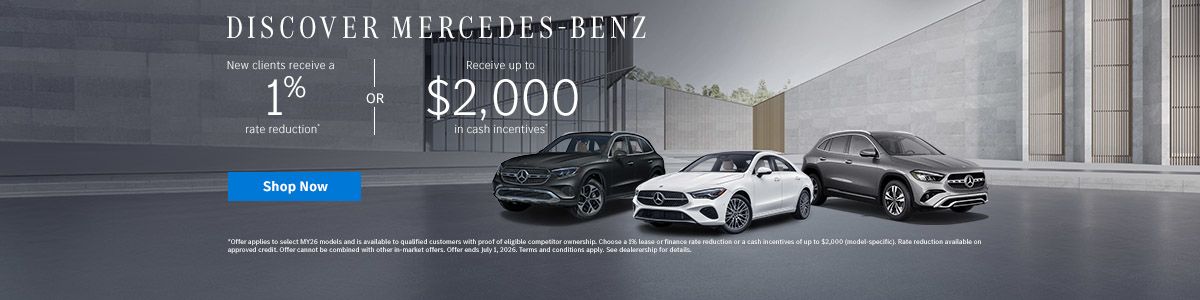
Mercedes-Benz Canada has introduced its Q2 Conquest Program, offering exclusive incentives to customers who currently own or lease select competing luxury vehicles. This limited-time initiative is designed to provide additional value for those considering a transition into the Mercedes-Benz lineup.
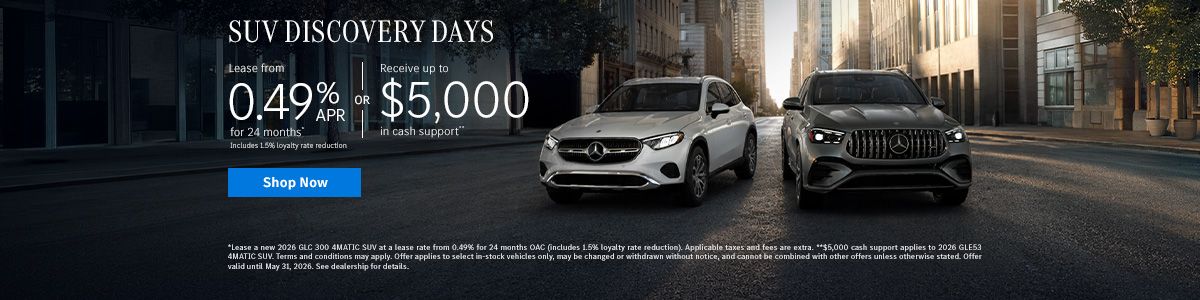
Eligible customers may choose between a 1% lease or finance rate reduction or a cash purchase incentive on select 2026 models. Covered vehicles include the Mercedes-Benz CLA, C-Class, GLA, GLB, GLC SUV, E-Class, GLE, and GLS.
The program is available from April 2 to July 1, 2026. To qualify, customers must provide valid proof of ownership or registration of an eligible vehicle from a competing luxury brand.
Time to Level Up with Mercedes-Benz
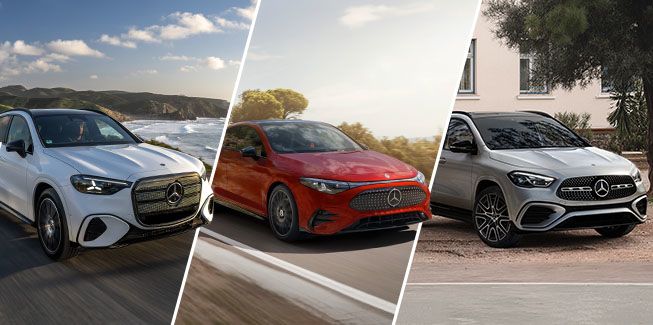
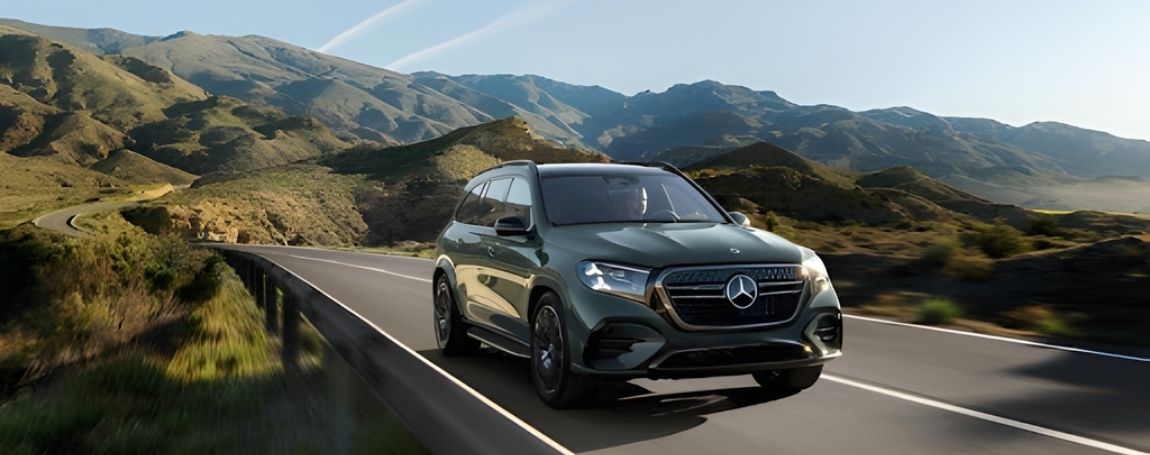
Whether you are cruising through the city or heading up the Sea-to-Sky, there is no better way to do it than in a 2026 Mercedes-Benz.
Mercedes-Benz EQB 300 vs BMW iX3 | Full Comparison
Mercedes-Benz EQB 300 vs. BMW iX3: Luxury Electric Showdown
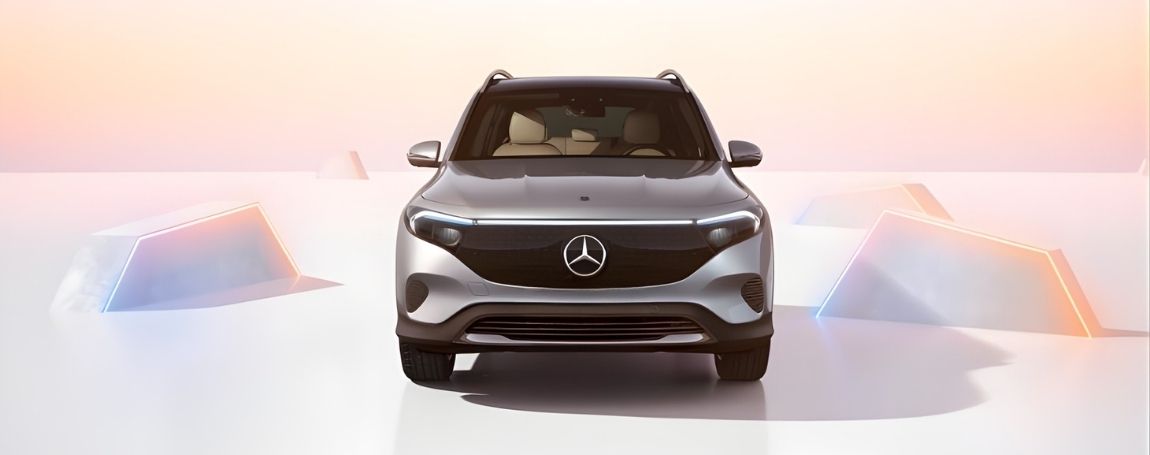
Not all electric SUVs are built the same, especially when it comes to technology and safety. The Mercedes-Benz EQB 300 vs BMW iX3 may seem like a close matchup at first, but once you look at how these two vehicles fit into real daily life, the Mercedes-Benz EQB 300 starts to stand out in all the right ways. While the BMW iX3 leans heavily into futuristic presentation, the EQB 300 delivers the kind of thoughtful luxury, comfort, and user-friendly innovation that feels easier to live with every day.
The Mercedes-Benz EQB 300 delivers smooth, confident performance through its dual-motor setup producing around 225 horsepower, paired with standard 4MATIC all-wheel drive that keeps the drive stable and composed in everyday conditions, while the BMW iX3 produces approximately 463 horsepower and accelerates from 0 to 100 km/h in about 4.7 seconds, making it noticeably quicker. That added power is impressive, but the EQB 300 focuses on delivering a calmer, more controlled drive that better suits daily commuting, family use, and changing Canadian road conditions.
Range That Still Works For Everyday Life
When it comes to range, the Mercedes-Benz EQB 300 offers an estimated 330 to 400 kilometres depending on driving conditions, making it well-suited for commuting, errands, and weekend travel, while the BMW iX3 reaches up to approximately 640 kilometres on a full charge. While the BMW stretches further on paper, the EQB 300 provides a more than practical range for everyday life, especially for drivers who prioritize comfort, interior flexibility, and consistent usability over maximum distance figures.
Smart Screens That Actually Make Sense
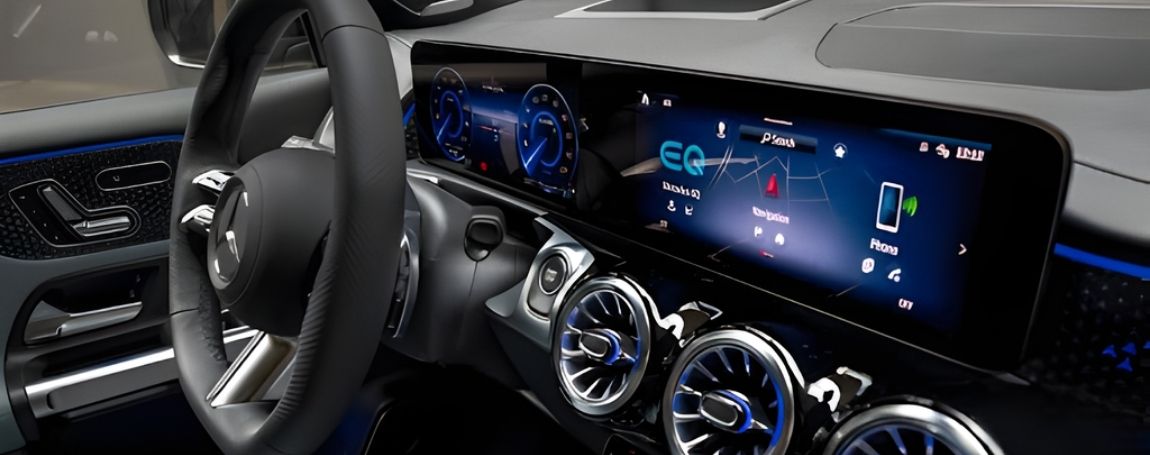
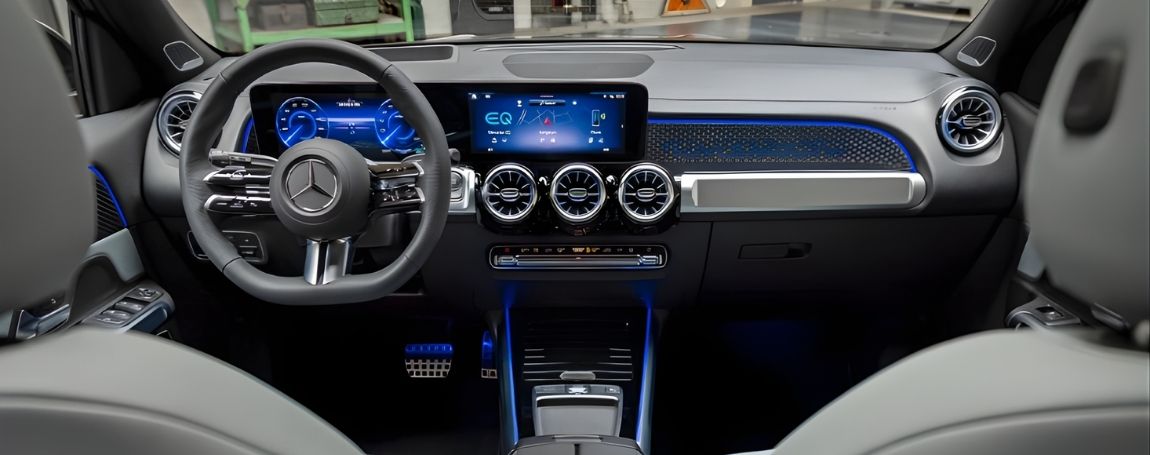
Step inside the Mercedes-Benz EQB 300 and you’re greeted with a dual 10.25-inch display setup that feels clean, refined, and easy to use without becoming distracting, while the BMW iX3 introduces its Panoramic iDrive with a wide windshield display and central screen that looks advanced but can feel more experimental in everyday use. The EQB 300 has the advantage here because its layout feels polished, premium, and intuitive from the moment you sit down.
Voice Assistant That Feels Natural
The Mercedes-Benz EQB 300 uses the Hey Mercedes voice assistant, which responds in a conversational way and adapts naturally to your habits over time, while the BMW iX3 offers its BMW Intelligent Personal Assistant with predictive functions of its own. Even so, the EQB 300 creates a more seamless experience during daily driving, making it an easier and more natural system to rely on when you want help without extra effort.
The Mercedes-Benz EQB 300 delivers a premium cabin that feels warm, upscale, and thoughtfully designed, with ambient lighting, intuitive controls, and a layout that supports comfort as much as technology, while the BMW iX3 takes a more futuristic approach with features like Shy Tech controls and a 3D Head-Up Display. The BMW may look flashier on paper, but the EQB 300 feels more welcoming and more luxurious in the way real drivers and families will appreciate over time.
Charging Intelligence and Everyday Ease
The Mercedes-Benz EQB 300 is equipped with a battery of around 69.7 kWh and supports DC fast charging up to approximately 100 to 112 kW, allowing it to charge from 10 to 80 percent in about 30 minutes, while the BMW iX3 uses a larger battery around 108 to 112 kWh with an advanced 800-volt architecture that enables charging speeds up to 400 kW, reaching 10 to 80 percent in roughly 20 minutes under ideal conditions . While the BMW offers faster peak charging, the EQB 300 keeps things simple and dependable, making it easier to integrate charging into everyday routines without relying on ultra-fast infrastructure.
Safety Systems That Think Ahead
Both the Mercedes-Benz EQB 300 and BMW iX3 come equipped with advanced driver-assistance technology, but the EQB 300 does a better job of making safety feel like a real part of the driving experience instead of just a long list of features. With systems like Active Brake Assist, Blind Spot Assist, and attention monitoring, the EQB 300 gives drivers a strong sense of support and confidence, while the BMW iX3 also uses cameras, radar, and sensors to assist the driver. The difference is that the EQB 300 feels more reassuring and family-focused in the way it delivers that protection.
Navigation That Works With You
In the Mercedes-Benz EQB 300, navigation feels simple, clear, and dependable, with real-time updates and intelligent route guidance that work well in both city traffic and daily commuting, while the BMW iX3 adds more predictive route planning with charging-stop integration. That added intelligence is useful, but the EQB 300 deserves credit for offering a system that feels less complicated and easier to trust right away, which matters when you just want your vehicle to make life easier.
Your Family’s Electric Future Starts at a Dilawri Mercedes-Benz Dealership in BC
If you are looking for an electric SUV that blends advanced technology with real-world usability, the Mercedes-Benz EQB 300 makes a strong case with its intuitive systems and comfort-first approach. Visit your local Dilawri Mercedes-Benz dealership in BC to explore the EQB 300 up close and see how it fits your lifestyle. Drivers across BC can connect with a Dilawri Mercedes-Benz location nearby to experience this smart, family-ready EV firsthand.
A Closer Look at 2026 Mercedes-Benz GLC 300 vs 2026 Lexus NX 350
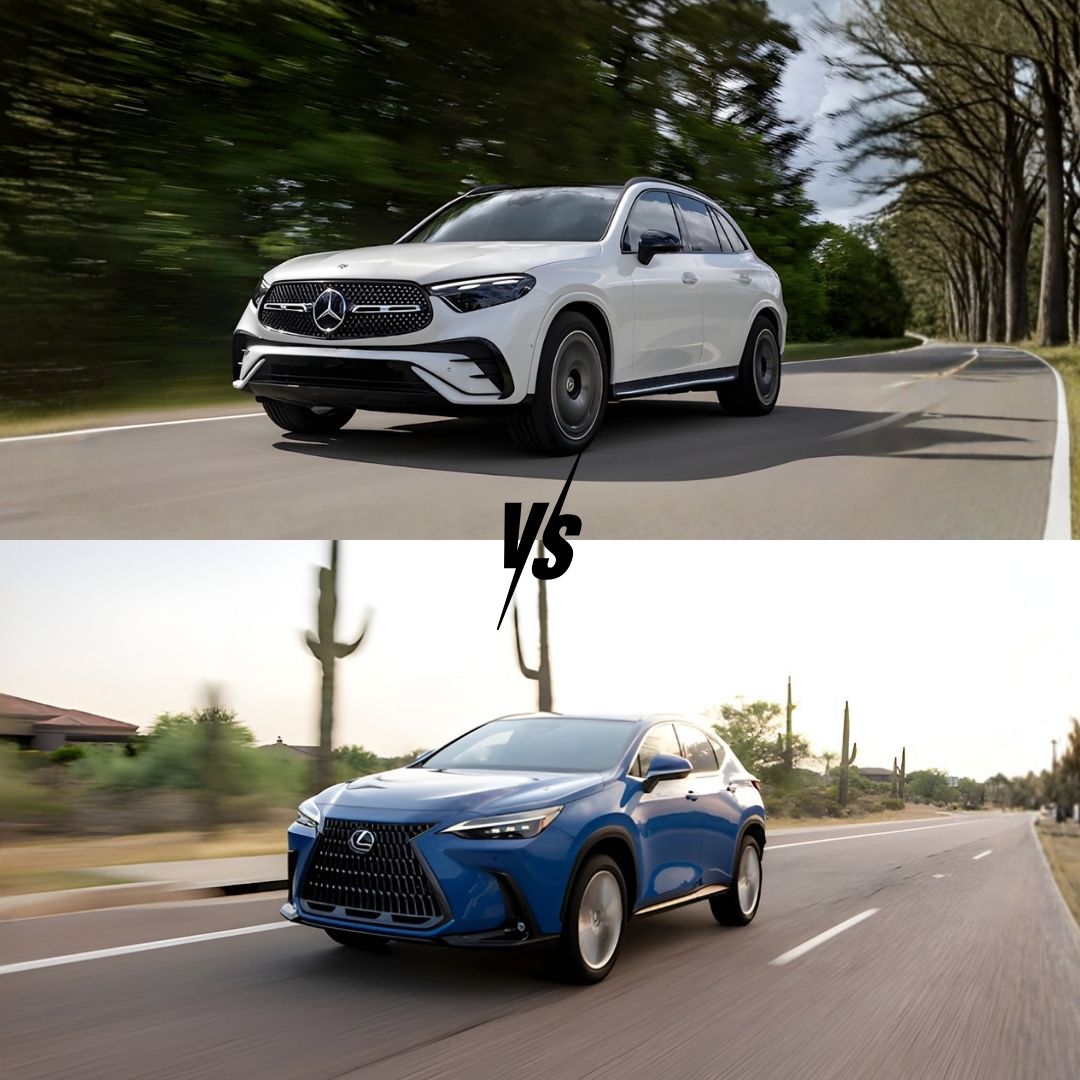
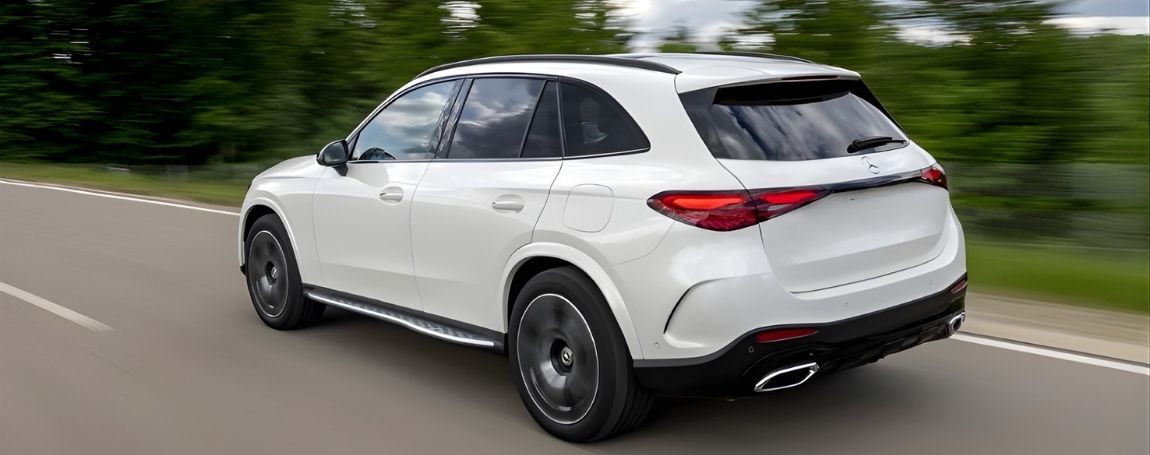
When comparing Mercedes-Benz GLC 300 vs Lexus NX 350, you are looking at two premium SUVs that check a lot of boxes, but they deliver that experience in very different ways. The Lexus NX 350 keeps things practical and familiar, while the Mercedes-Benz GLC 300 feels more refined, more advanced, and better suited for drivers who want a complete luxury experience from top to bottom.
The Mercedes-Benz GLC 300 brings a 2.0-litre turbo engine with mild hybrid support producing 255 horsepower and 295 lb-ft of torque, giving it smooth acceleration and added efficiency, while the Lexus NX 350 pushes out 275 horsepower and 317 lb-ft of torque from its turbo engine, offering strong output as well. The difference shows in delivery, where the GLC 300 feels more refined and controlled in everyday driving.
Cabin Comfort That Feels More Premium
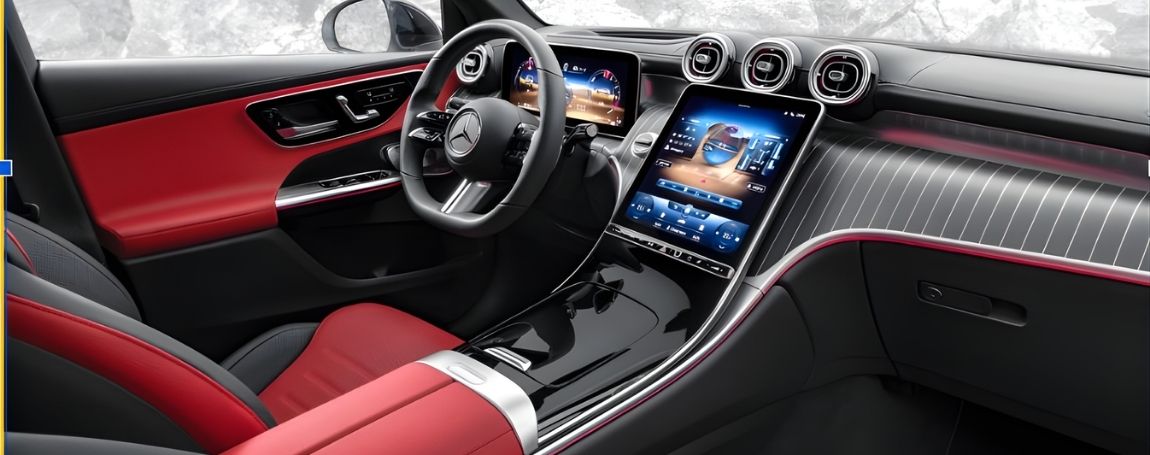
Inside the Mercedes-Benz GLC 300, everything feels carefully crafted, from materials to layout, creating a calm and upscale environment, while the Lexus NX 350 offers a well-built interior but leans more toward practicality than true luxury. The GLC 300 stands out with its attention to detail and overall cabin atmosphere that feels a step above.
Screen Size That Changes the Experience
Technology plays a big role, especially when you look at screens. The GLC 300 features a larger 11.9-inch touchscreen, making navigation and controls easier and more immersive, while the Lexus NX 350 comes standard with a 9.8-inch display, which is functional but noticeably smaller.
The Mercedes-Benz GLC 300 offers 620 to 1,680 litres of cargo space, giving you flexibility for everyday errands and longer trips, while the Lexus NX 350 provides 643 to 1,328 litres, offering solid space but slightly less maximum capacity when you need it most.
Safety Systems That Feel More Advanced
Both the Mercedes-Benz GLC 300 and Lexus NX 350 include modern safety systems like automatic braking and blind spot monitoring, but the GLC 300 brings a more refined approach with advanced driver assistance and intelligent monitoring systems that feel smoother and more responsive, while the NX 350 focuses on reliable, proven safety through Lexus Safety System+.
Efficiency and Electrified Advantage
One of the biggest differences is the direction each vehicle takes. The GLC lineup includes hybrid and plug-in hybrid options, offering better long-term efficiency and flexibility, while the Lexus NX 350 sticks with a traditional gasoline setup, which works well but feels less forward-looking.
Key Differences at a Glance
Feature
Mercedes-Benz GLC 300
Lexus NX 350
Engine
255 horsepower mild hybrid turbo
275 horsepower turbo gasoline
Screen Size
11.9-inch display
9.8-inch display
Cargo Space
620–1,680 litre
643–1,328 litre
Powertrain Options
Hybrid and PHEV available
Gasoline focus
Your Family’s Electric Future Starts at a Dilawri-Franchised Mercedes-Benz Dealership in BC
If you want an SUV that feels modern today and ready for tomorrow, the Mercedes-Benz GLC 300 delivers a stronger all-around package with its refined performance, larger tech interface, and forward-thinking efficiency. Visit a Dilawri Mercedes-Benz dealership in BC to explore the GLC 300 in person and see how it fits your lifestyle.
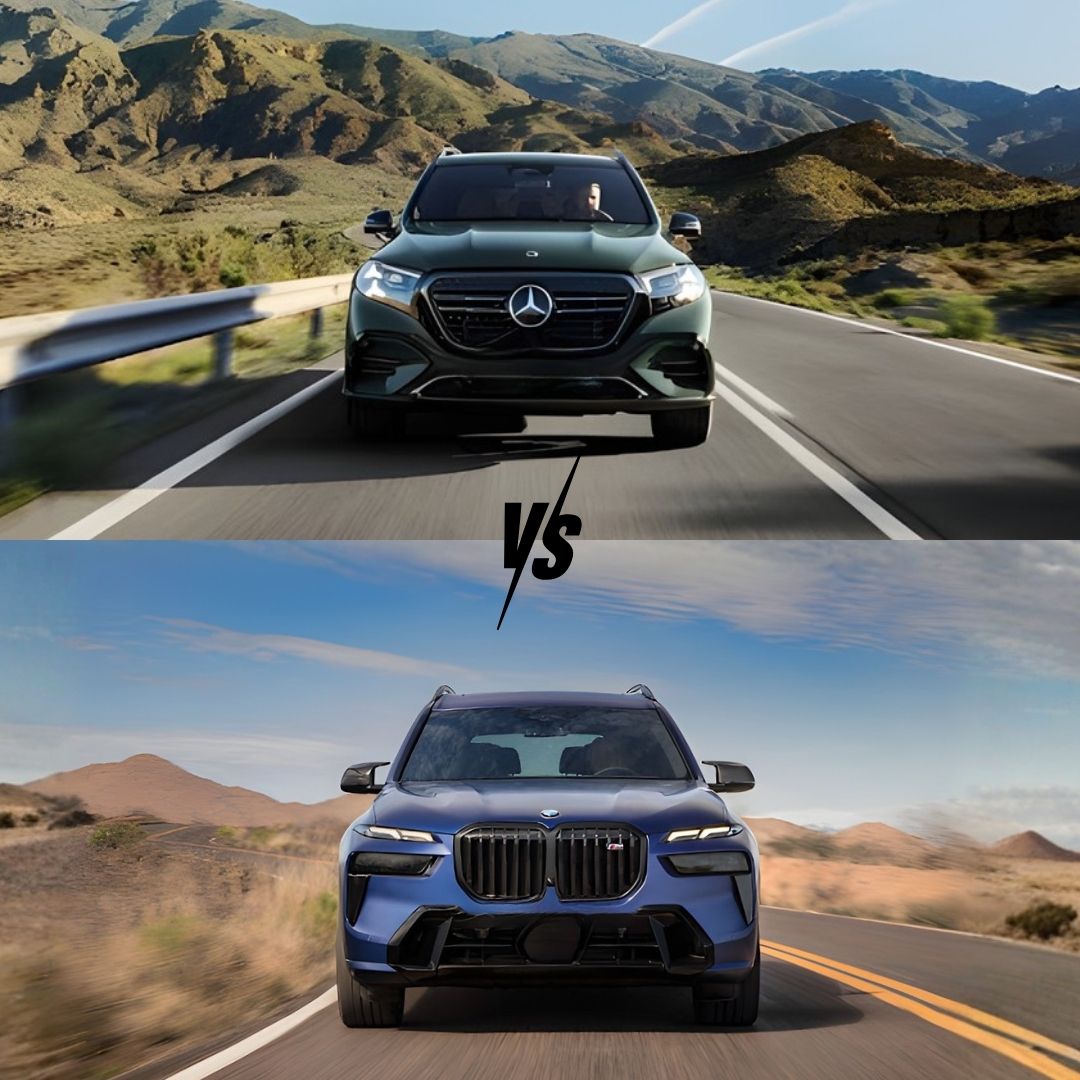
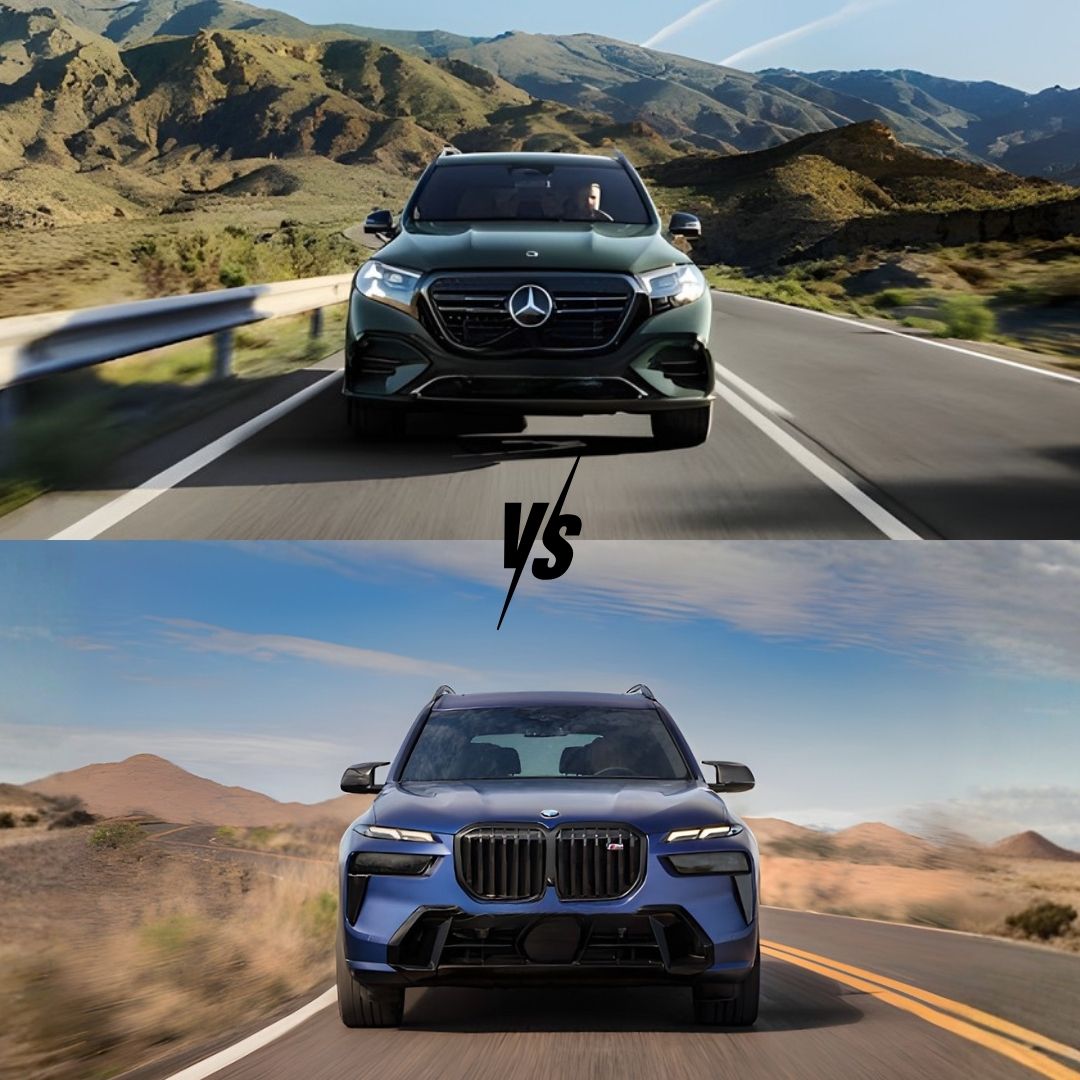
2026 Mercedes-Benz GLS vs. 2026 BMW X7: Full Luxury SUV Breakdown
Big luxury SUVs are not just about size anymore, they are about how they make everyday life easier, smoother, and a little more refined. The 2026 Mercedes-Benz GLS vs BMW X7 comparison comes up quickly for families who want space without giving up comfort or performance. Both bring serious presence on the road, but once you look closer, the Mercedes-Benz GLS delivers a more polished and composed luxury experience that feels right at home in everyday driving.
Under the hood, both SUVs start strong with 375 horsepower turbocharged six-cylinder engines, giving you smooth and confident acceleration right from the base models. As you move up, the BMW X7 reaches up to 631 horsepower, while the Mercedes-Benz GLS delivers up to 603 horsepower in the AMG model.
Air Suspension That Refines Every Ride
Ride quality is where things begin to separate in feel. The BMW X7 includes standard adaptive two-axle air suspension, helping maintain a consistently smooth ride. The Mercedes-Benz GLS, however, takes a more balanced and comfort-first approach, delivering a ride that feels composed, stable, and quietly refined. It is the kind of smoothness you notice more on longer drives, where comfort becomes just as important as capability.
Screen Experience That Feels Clean and Intuitive
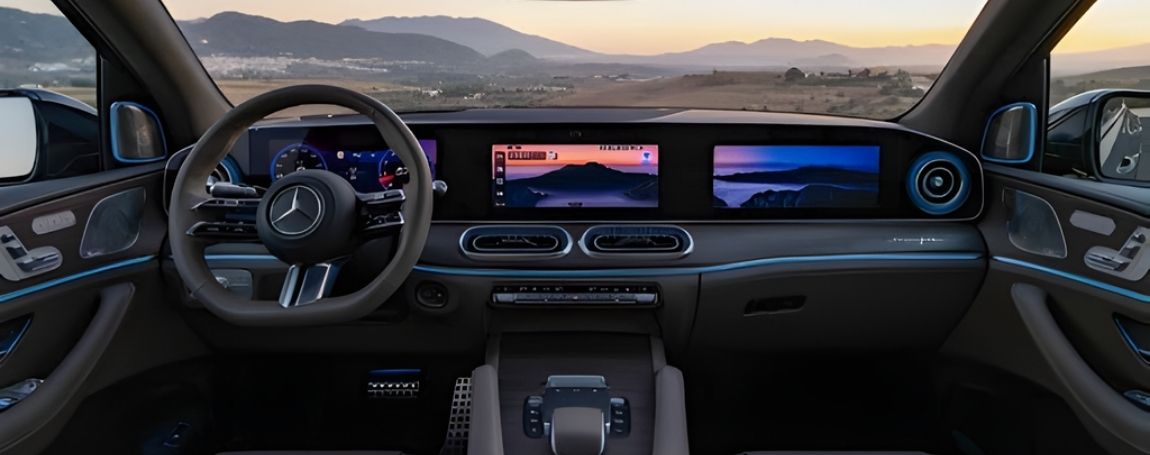
Inside the cabin, the BMW X7 features a curved display with a 12.3-inch digital cluster and a 14.9-inch touchscreen, while the Mercedes-Benz GLS features a unique setup including three 12.3-inch displays. The GLS stands out with a single glass surface of screens stretching across the cockpit. This added sense of calm and control behind the wheel and inclusion of a screen for the passenger is truly a remarkable feat of engineering and innovation displayed by the GLS.
Comfort is built into both vehicles with features like 4-zone climate control, heated front seats, and wireless charging. The BMW X7 includes extras like a standard heated steering wheel and heated armrests, while the Mercedes-Benz GLS focuses on delivering a well-balanced, refined, and consistently comfortable experience across the entire cabin.
Third Row Comfort That Feels Truly Premium
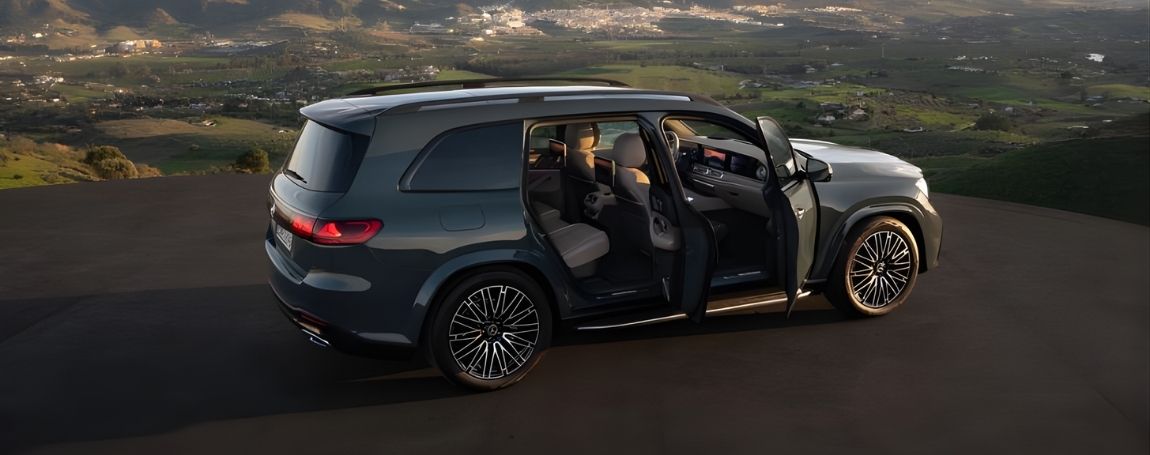
Both SUVs offer three rows with seating for up to seven passengers, but the Mercedes-Benz GLS focuses on delivering a cabin experience that feels cohesive from front to back. While the BMW X7 offers supportive seating, the GLS emphasizes spaciousness and ease of access, creating a third-row environment that feels natural and comfortable for passengers on longer journeys. When it comes to cargo space, the BMW X7 offers up to 2,560 litres of cargo space, while the Mercedes-Benz GLS provides 2,398 litres. However, the GLS makes up for this with practical layout and usability, giving families the flexibility they need for everyday loading without sacrificing comfort inside the cabin.
Explore The Mercedes-Benz GLS Up Close at Your Local Dilawri Mercedes-Benz Dealership
There is only so much you can understand from specs alone in the 2026 Mercedes-Benz GLS vs BMW X7 comparison. The real difference comes when you step inside and experience it yourself. Visit your local Dilawri Mercedes-Benz dealership in BC to get behind the wheel of the Mercedes-Benz GLS and see how it fits into your lifestyle.
2026 Mercedes-Benz CLA Coupe vs. 2026 BMW 2 Series Gran Coupe: More Than a Commute
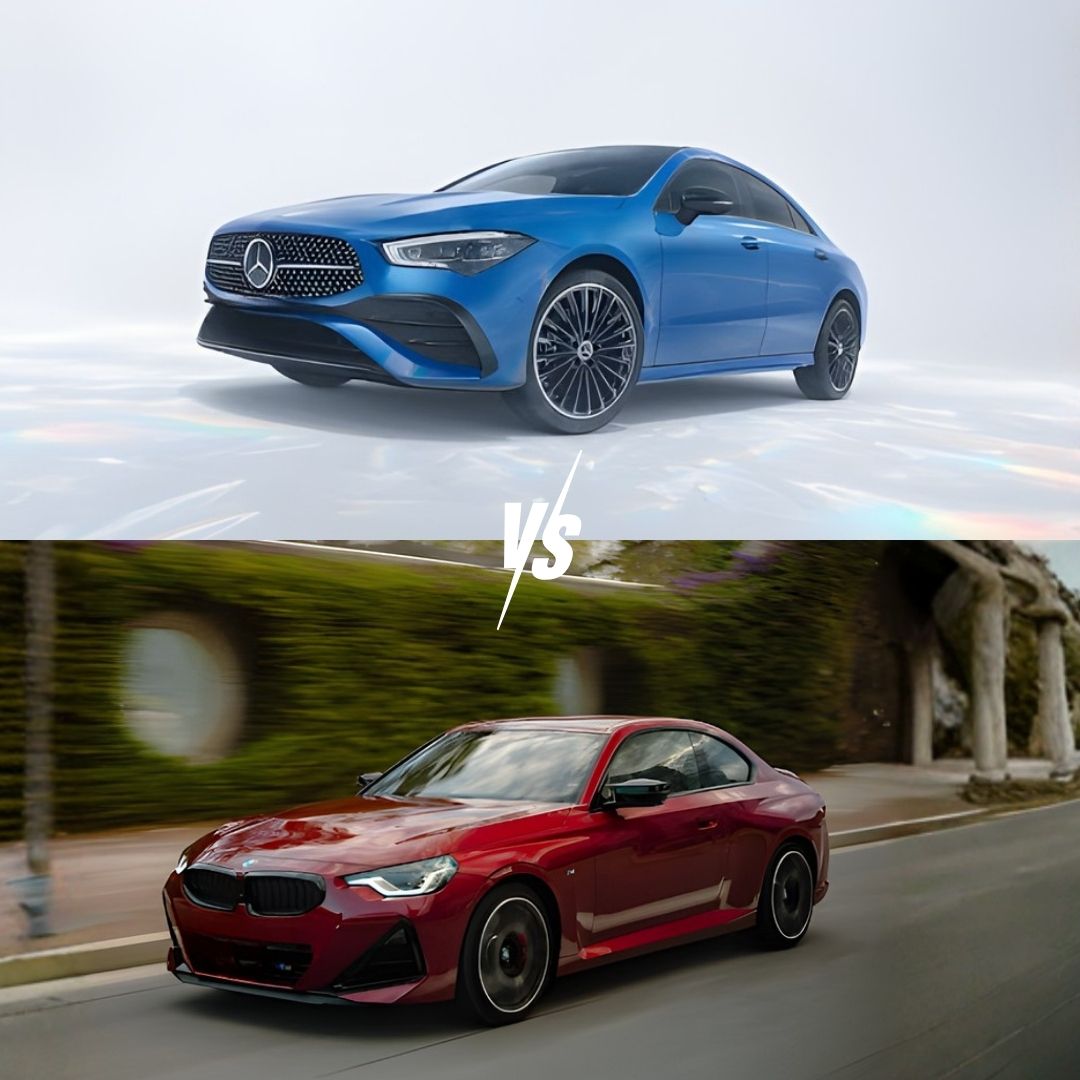
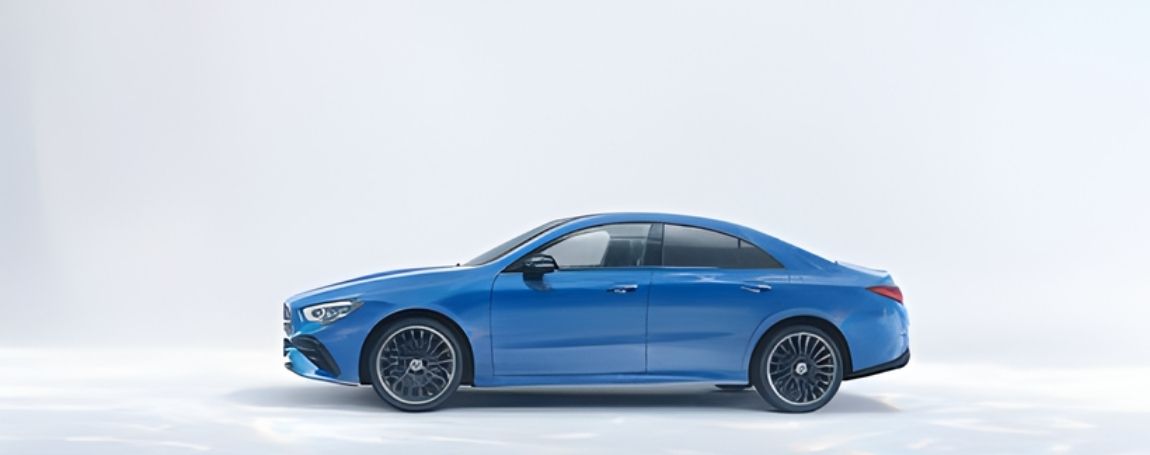
When you pull up to a light in Vancouver, the silhouette of your car speaks before you do. The 2026 Mercedes-Benz CLA 250 4MATIC Coupe features a dramatic, sloping roofline and frameless door glass, giving it a true four-door coupe identity. In contrast, the BMW 2 Series Gran Coupe often feels like a traditional sedan with a different name. At MB BC, we believe luxury should be unmistakable, and the CLA’s aerodynamic shark-nose design provides a level of curb appeal that its rival from Munich struggles to replicate.
Performance matters, but so does how that performance fits daily Canadian driving. The 2026 BMW 230i xDrive Coupe leads with 255 horsepower and 295 lb-ft of torque, while the 2026 Mercedes-Benz CLA 250 4MATIC Coupe delivers 221 horsepower and 258 lb-ft of torque from its 2.0-litre inline-four turbo with mild hybrid drive. The BMW is quicker on output, but the Mercedes-Benz fights back with a more efficient combined fuel rating of 8.2 L/100 km compared to 8.4 L/100m for the BMW, plus a slightly better total range of 622 km versus 617 km.
Screen-First Cabin Appeal
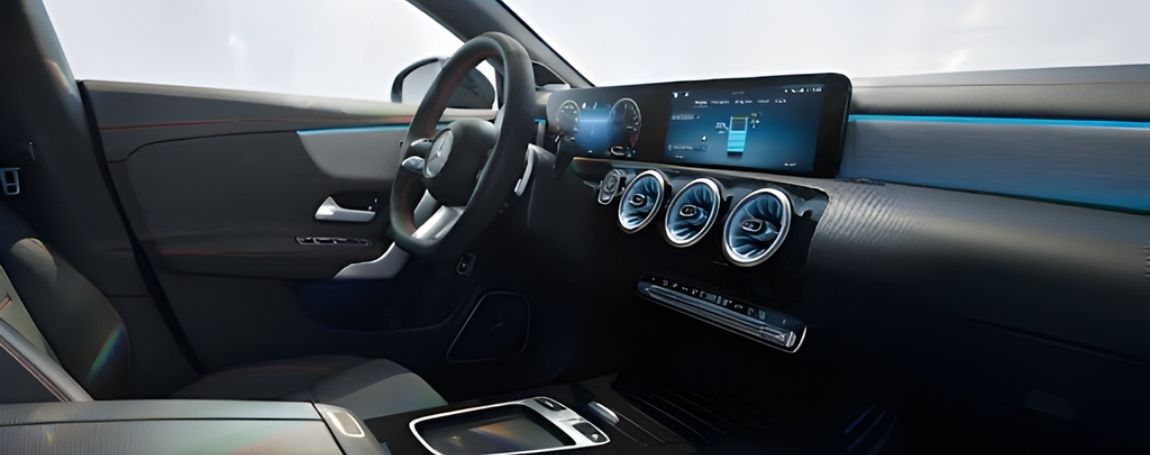
The 2026 Mercedes-Benz CLA 250 4MATIC Coupe features dual 10.25-inch displays, giving the cockpit a widescreen, high-tech feel that still looks sharp and upscale. The 2026 BMW 230i xDrive Coupe counters with a larger 12.3-inch touchscreen, which is a solid advantage on paper, but the Mercedes-Benz setup feels more integrated thanks to the responsive MBUX system, voice commands, and the way the whole dash is designed around digital interaction rather than just a bigger screen.
Premium Comfort That Feels More Complete
This is where the Mercedes-Benz model starts separating itself in a very real way. The 2026 Mercedes-Benz CLA 250 4MATIC Coupe offers a standard sunroof, heated front seats, power-adjustable front seats, memory settings, synthetic leather upholstery, and automatic door closing. The 2026 BMW 230i xDrive Coupe offers heated power front seats, memory seats, and synthetic leather too, but it misses a standard sunroof. In a luxury compact segment, those everyday details matter. The Mercedes-Benz cabin simply feels like it gives you more of the premium experience without asking you to climb higher in the lineup.
A lot of coupes look stylish, but living with them is a different story. The 2026 Mercedes-Benz CLA 250 4MATIC gives you 440 litres of cargo space, while the 2026 BMW 230i xDrive Coupe offers 391 litres. That is a noticeable difference when you are dealing with groceries, weekend bags, work gear, or airport runs. The Mercedes-Benz also adds a 40/20/40 rear seat split, which brings more flexibility into the mix.
Driver Assists With A Smarter Daily Focus
Technology is not just about entertainment anymore. It is also about how confident and relaxed a car feels on the road. The 2026 Mercedes-Benz CLA 250 4MATIC Coupe includes Blind Spot Assist with Exit Warning and offers additional advanced systems to help with highway driving, stop-and-go traffic, lane changes, and parking. The 2026 BMW 230i xDrive Coupe includes rear radar parking aids, LED headlights, auto high beams, and useful convenience tech, but the Mercedes-Benz approach feels more polished for drivers who want modern support built into the daily routine.
Your Next Chapter Of Luxury Begins at a BC Dilawri-Franchised Mercedes-Benz Dealership
The roads of British Columbia were made for a car like the 2026 CLA 250 4MATIC. With standard all-wheel drive and a cabin that acts as your personal sanctuary, it’s the ultimate companion for city streets and mountain passes alike. We invite you to find a Dilawri-franchised Mercedes-Benz dealership near youto explore our exclusive inventory and lease offers. Come see why the CLA doesn't just beat the competition, it leaves it in the rearview mirror. *All pricing is based on BC MSRP and does not include taxes and fees. Dealer pricing may differ. Prices are subject to change at any time without notice.
Explore an exceptional range of inventory and exclusive offers today. To begin, select your preferred Dilawri franchised Mercedes-Benz dealership from the list below.





 Canadian-Owned and Operated Since 1985


